What is insomnia and EEG?
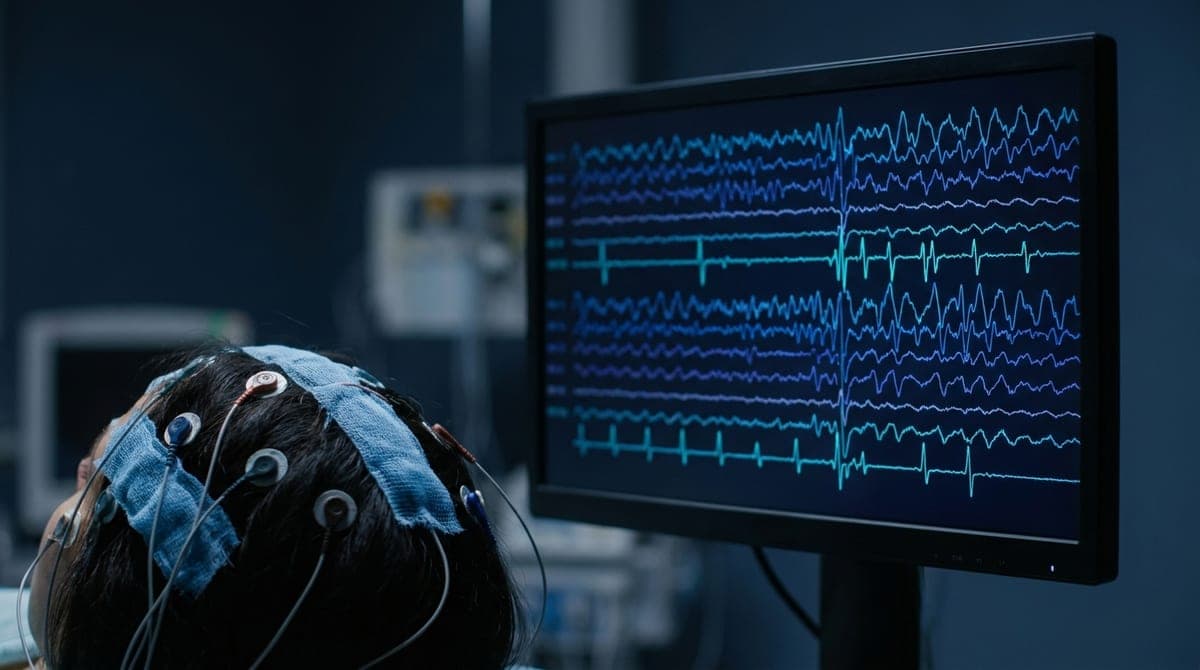
Insomnia is a common sleep disorder characterized by difficulties in falling asleep or staying asleep. The electroencephalogram (EEG) is a test that records the electrical activity of the brain and can help analyze the different sleep states.
Study Results
This study compared 45 insomniac patients to 48 healthy individuals. The results show that insomniac patients have shorter durations of certain EEG microstates and different occurrences compared to healthy individuals. For example, they had fewer D microstates and more C microstates.
Additionally, analyses revealed that the presence of microstate D was linked to objective sleep indicators, such as the proportion of rapid eye movement (REM) sleep and light sleep.
Implications for Patients
These results suggest that the abnormalities observed in the EEG may reflect problems in sleep architecture in individuals suffering from insomnia. While these findings pave the way for new assessment and treatment methods, it is important to note that further research is needed to establish clear links between these abnormalities and insomnia symptoms.
For patients affected by sleep disorders, this means that advances in understanding the underlying mechanisms could one day lead to more accurate assessments and better-targeted treatments.
This article is provided for information only and does not replace medical advice. For any question about your own situation, talk to your doctor.