What is virtual reality and biofeedback?
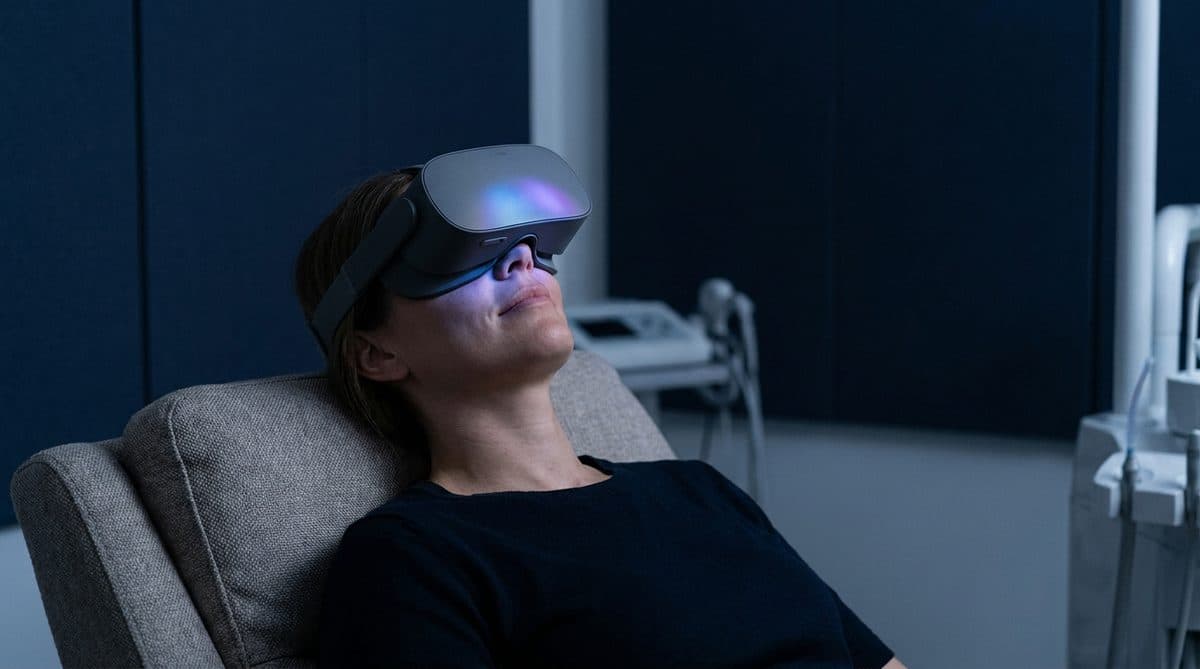
Virtual reality (VR) is a technology that creates an immersive environment, allowing users to interact with a digital world. Biofeedback is a method that helps individuals become aware of their bodily functions, such as heart rate, to better control them.
Study results
In this study, 83 patients suffering from chronic insomnia were divided into two groups: a control group receiving standard biofeedback treatment and an observation group benefiting from the combination of VR and biofeedback. The results showed that the observation group had significantly better sleep quality and insomnia severity scores after treatment.
Analyses also revealed that the time taken to fall asleep was reduced, total sleep time was extended, and the number of nighttime awakenings was decreased in the group that received VR.
Impact on daytime function
Patients in the observation group also reported a decrease in daytime fatigue and an improvement in their functioning throughout the day. These results are encouraging for those suffering from chronic insomnia, as they show that this approach could help improve quality of life.
Additionally, the study noted that there was no significant difference in the incidence of adverse effects between the two groups, suggesting that this method is safe.
This article is provided for information only and does not replace medical advice. For any question about your own situation, talk to your doctor.