What is EPA and CPAP?
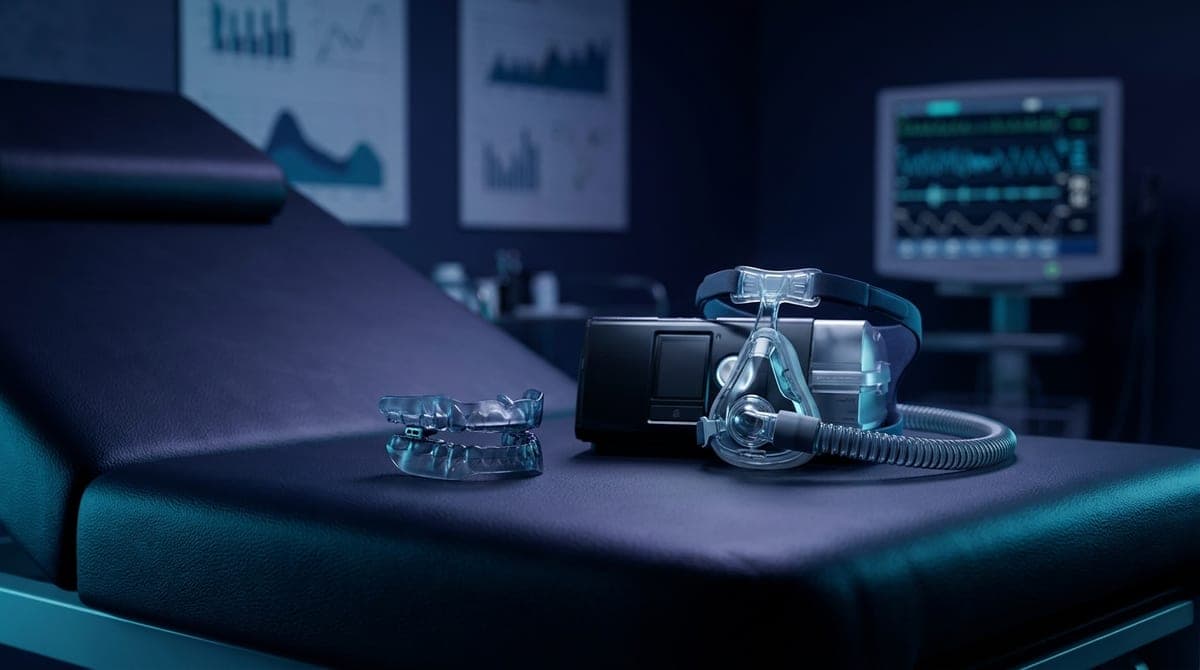
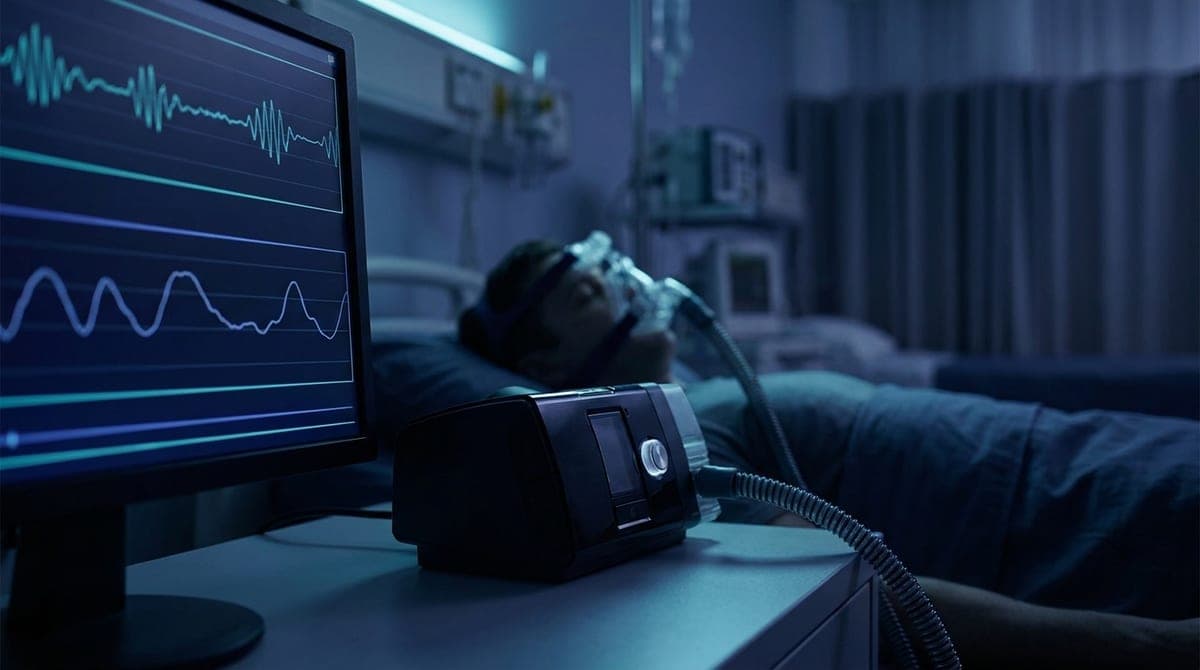
Expiratory pressure relief (EPA) is a feature built into some CPAP (continuous positive airway pressure) devices to reduce discomfort during exhalation. CPAP is a common treatment for obstructive sleep apnea (OSA), a disorder where the airways become blocked during sleep.
Study Results
The study found that activating EPA reduced maximum inspiratory flow and required higher CPAP levels to maintain treatment effectiveness. Additionally, EPA was associated with less effective control of OSA, although adherence to CPAP treatment did not appear to be affected.
What Does This Mean for Patients?
For patients using a CPAP with EPA, this could mean they need to adjust their pressure levels to achieve effective treatment. While EPA may make exhalation more comfortable, it is important to discuss with a healthcare professional the implications of these results on their treatment.
This article is provided for information only and does not replace medical advice. For any question about your own situation, talk to your doctor.